Forestry Clearing in Salt Lake City, UT
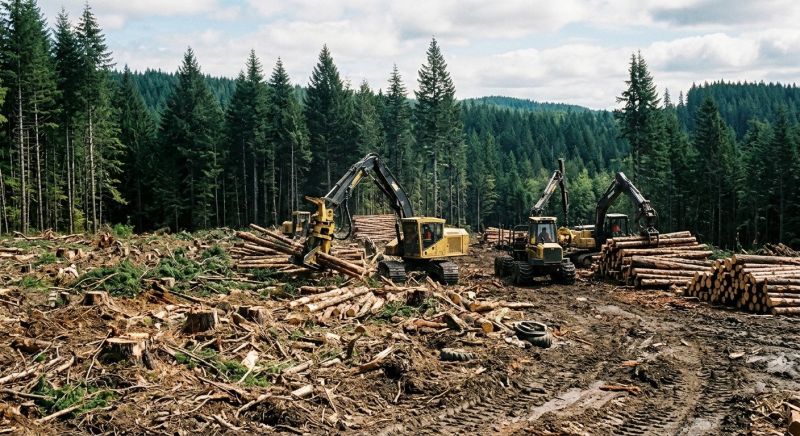
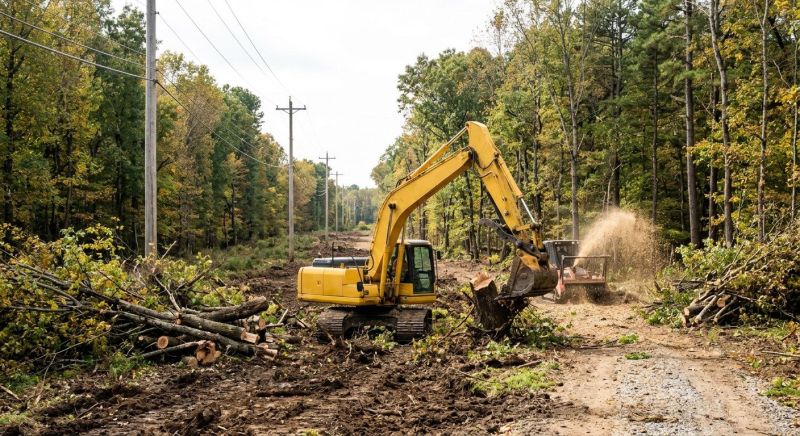
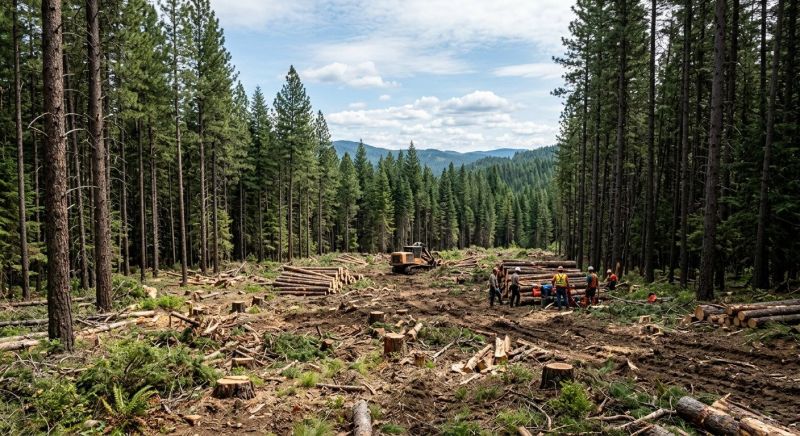
Forestry clearing services involve the removal of trees, brush, and other vegetation to prepare a property for development, landscaping, or safety purposes. This service is often requested for projects such as building new structures, creating open space for recreational use, managing forest health, or reducing fire hazards. Property owners typically want to understand the scope of clearing needed, including whether it involves selective tree removal or complete site clearance, as well as any potential impacts on the landscape and future land use.
Before requesting forestry clearing, property owners should consider factors such as the size of the area to be cleared, local regulations or permits that might be required, and the types of vegetation present. It is also helpful to determine if there are any protected or hazardous trees, and to clarify the desired outcome of the project to ensure the clearing aligns with long-term property plans. Proper planning and understanding of these aspects can help facilitate a smooth and efficient clearing process.
Many property owners in Salt Lake City, UT look into Forestry Clearing for repairs, replacements, upgrades, and appearance-related improvements.
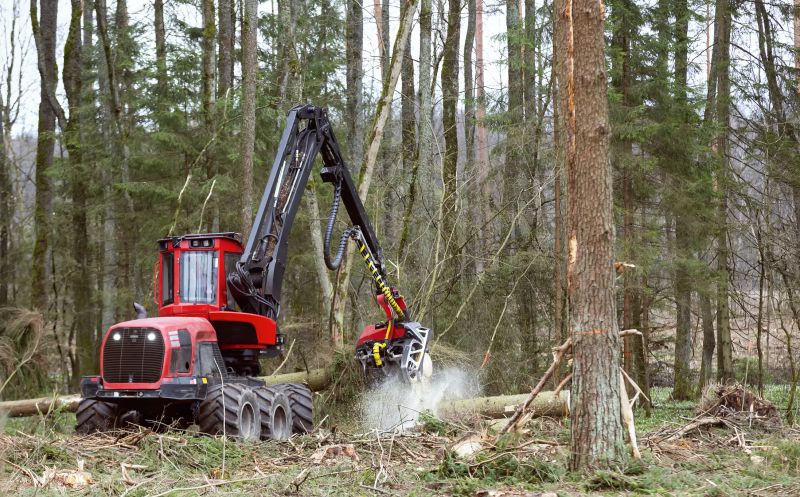
Land Clearing For Development
Preparing properties for construction or landscaping projects in salt lake city.
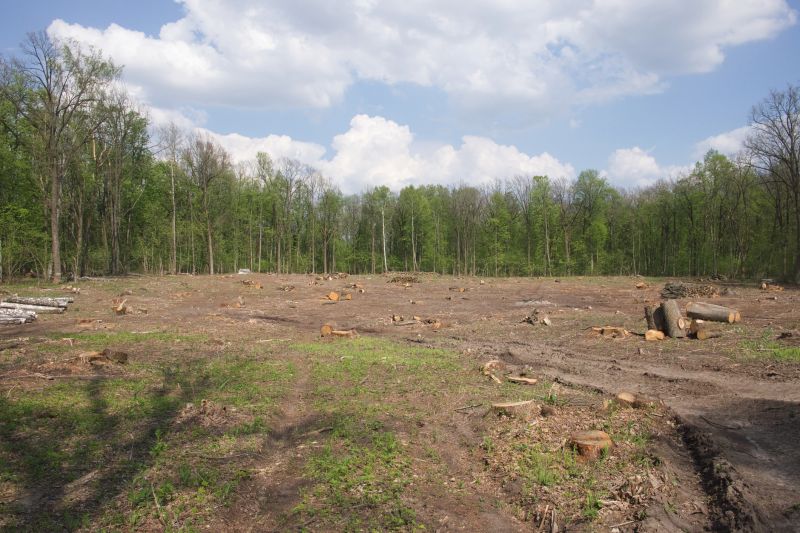
Overgrown Area Management
Removing dense brush and trees to improve safety and access on residential or commercial land.
Firebreak And Safety Clearing
Creating defensible space around properties to reduce fire risk in utah's dry seasons.
Forestry Clearing in Salt Lake City, UT
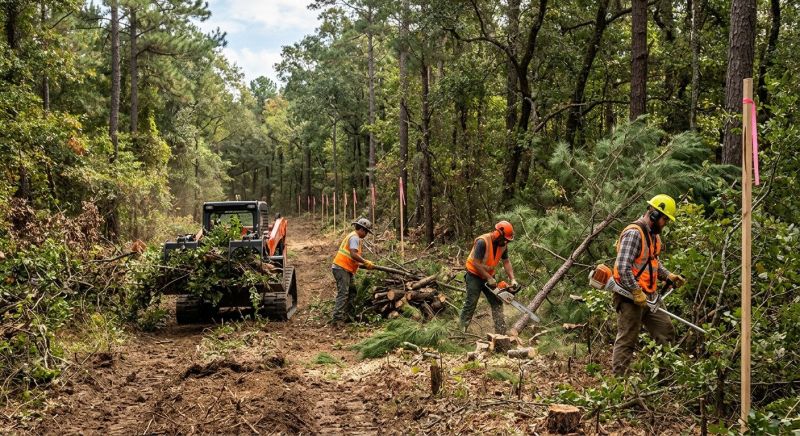
Forestry clearing services involve the removal of trees, brush, and other vegetation to prepare a property for development, landscaping, or safety purposes. This service is often requested for projects such as building new structures, creating open space for recreational use, managing forest health, or reducing fire hazards. Property owners typically want to understand the scope of clearing needed, including whether it involves selective tree removal or complete site clearance, as well as any potential impacts on the landscape and future land use.
Before requesting forestry clearing, property owners should consider factors such as the size of the area to be cleared, local regulations or permits that might be required, and the types of vegetation present. It is also helpful to determine if there are any protected or hazardous trees, and to clarify the desired outcome of the project to ensure the clearing aligns with long-term property plans. Proper planning and understanding of these aspects can help facilitate a smooth and efficient clearing process.
Many property owners in Salt Lake City, UT look into Forestry Clearing for repairs, replacements, upgrades, and appearance-related improvements.
Common Forestry Clearing Jobs
Tree removal - safely removing hazardous or unwanted trees from residential properties.
Brush clearing - clearing overgrown brush to improve yard accessibility and appearance.
Stump grinding - grinding down tree stumps to prepare the land for future use.
Land clearing - removing trees and vegetation to create open space for construction or landscaping.
Selective thinning - reducing tree density to promote healthier growth and prevent overgrowth.
Lot clearing - preparing large parcels of land for development or renovation projects.
Forestry Clearing Questions
What types of trees can be cleared? Most common tree species on residential properties can be cleared, including pines, maples, and oaks.
Is forestry clearing suitable for property development? Yes, it prepares land for construction, landscaping, or other property improvements.
What should property owners consider before clearing? It’s important to evaluate local regulations and ensure proper disposal of cleared materials.
Can forestry clearing improve land safety? Clearing can reduce hazards like dead or overgrown trees that pose risks to structures and people.
Request Forestry Clearing in Salt Lake City, UT
Use the quote form on this page to share the basics of your project and request more information for the type of work you need.